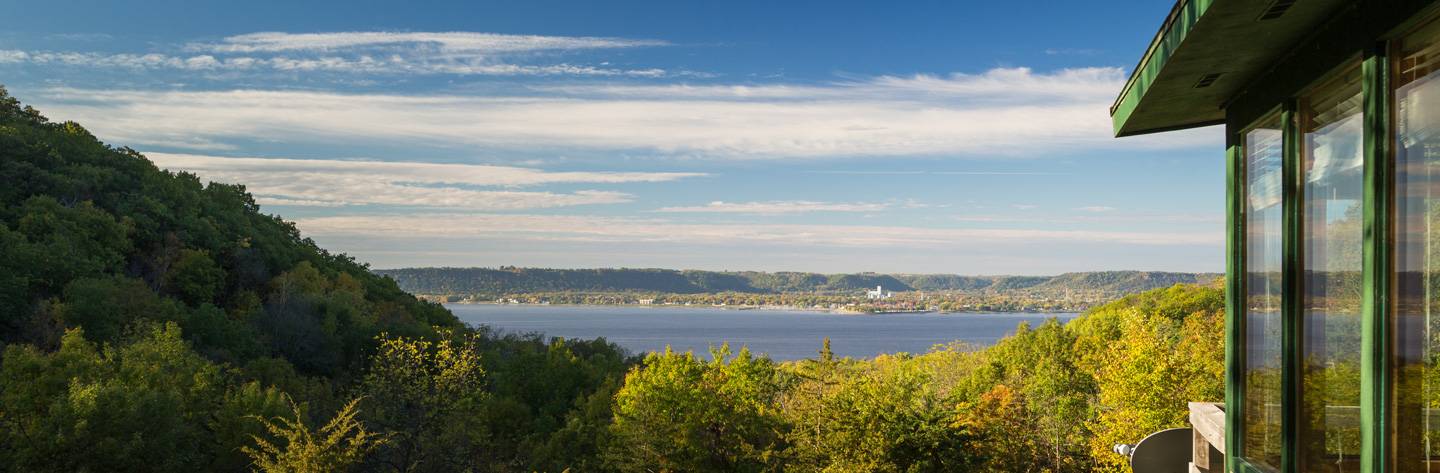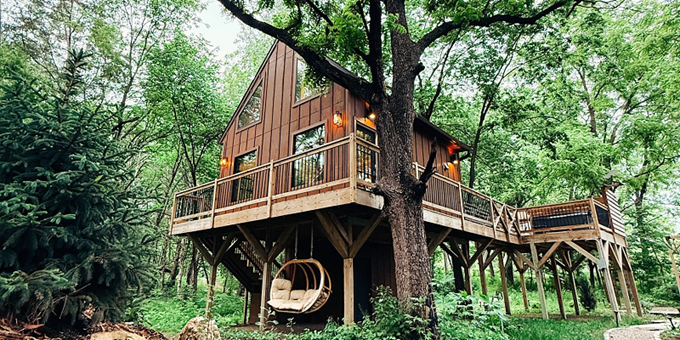
Travel north to Pepin, where the Upper Mississippi widens and the land opens to sky. This is the world of Little House in the Big Woods, the charming start of a story that is loved around the world. Immortalized in the TV series, Little House on the Prairie, Laura told timeless stories of a family life steeped in love, quiet faith, determination, and perseverance.
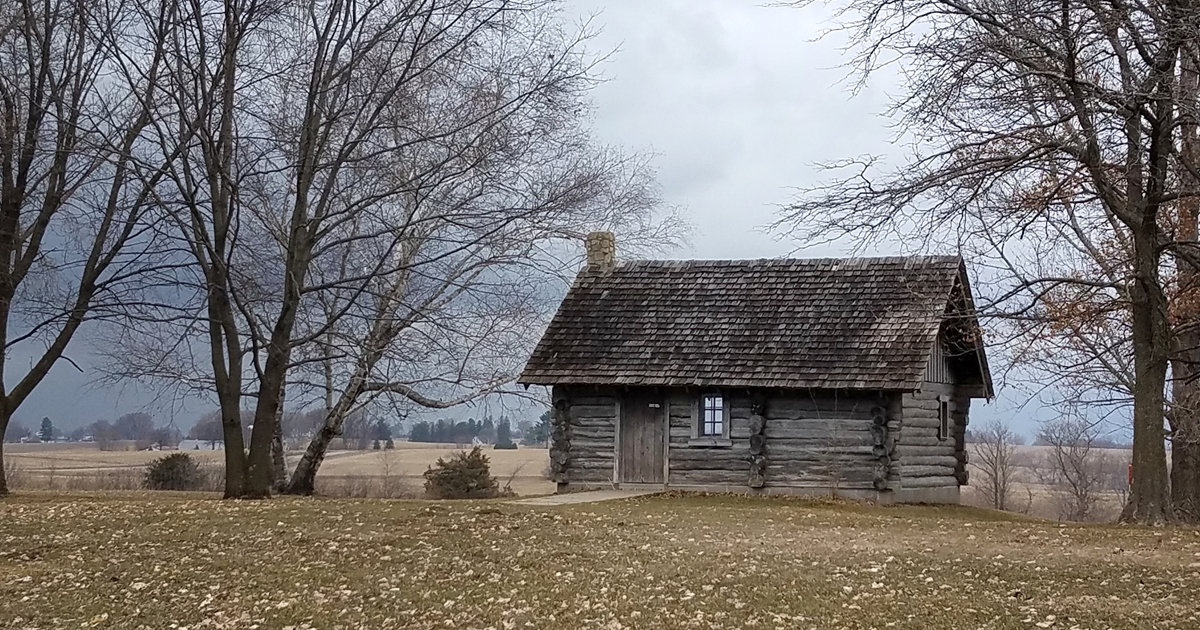
Did you know that the cabin where Laura was born still stands? Visiting is reminder that stories that travel world often begin in very small places. For Japanese readers, the feeling is reminiscent of the world of Kenji Miyazawa. Both wrote stories shaped by childhood, landscape, and close attention to the natural world.
In her first book, Wilder lingered on small rituals: long winters, shared labor, the joy of simple gifts, and maple sugaring—the transformation of sap into syrup, and syrup into candy when poured onto fresh snow. If you come during syruping season, visitors can still experience that tradition today at working maple syrup farms nearby, where steam rises from kettles and sweetness fills the cold air. (Maple syrup also makes excellent omiyage.)
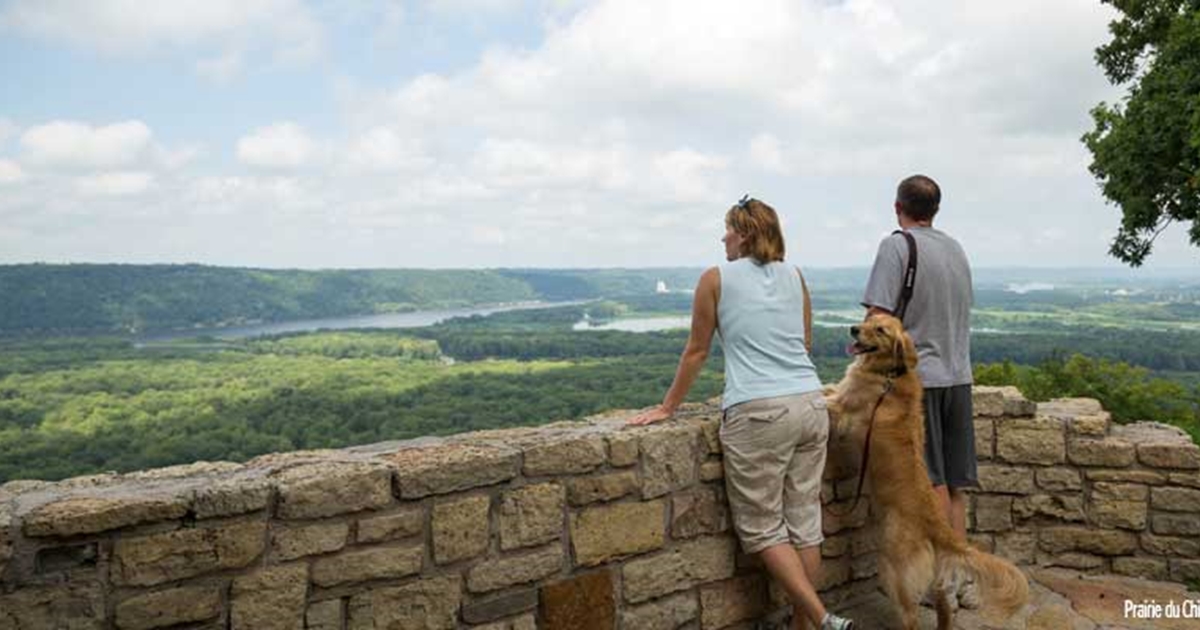
After visiting the birthplace cabin, continue a short distance to the Little House Wayside, which marks the approximate location of the Ingalls family home described in Little House in the Big Woods. (The original cabin was moved into town to ensure its preservation.) This stop completes your sense of place for Laura. Appreciate the poetic natural architecture of woods, fields, and sky. The Mississippi River is a short walk down the hill.
From there, divide your time between land and water. Explore the countryside around Pepin. The gently rolling farmland and wooded areas remain largely unchanged, offering a rare sense of continuity between the world Laura described and the one you see today. A slow drive along local roads does more to explain the books than any single exhibit.
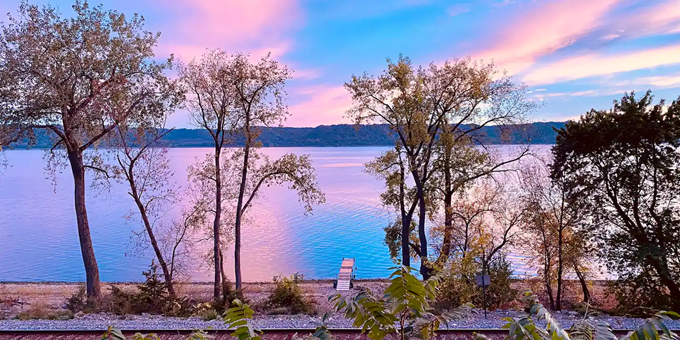
Then visit the Mighty Mississippi, the river that drew settlers to this area and still shapes weather, work, and life. Walk along the riverfront, watch barges trundle past, or simply sit and take in the majesty of the water and sky.
To add local context, a brief visit to the Pepin Historical Museum rounds out the experience. The museum focuses on everyday community life, exhibiting clothing, tools, household goods, and records from the world the Ingalls family shared with their neighbors.
Together, these stops form a simple, satisfying sequence: birthplace, cabin, homestead, countryside, and river. It is quintessential Wisconsin.
Note: Pepin also rewards staying overnight. Nearby towns like Viroqua offer welcoming inns, excellent farm-to-table restaurants, and a slower pace that mirrors the values in Wilder’s and North’s writing.